Unveiling the Microbial World: Why Microbiology Matters More Than Ever
Microbiology is more than the study of microbes — it is the foundation of modern medicine, diagnostics and global health, and the Department of Medical Microbiology is training the scientists who will work in it.
Category: Biomedical Sciences
Author: Dr. Abiola Fashola
Reading Time: 1 min
Published on: July 4, 2025
From pandemic response to the rising threat of antimicrobial resistance, recent years have made the stakes of microbiology plain. Microorganisms shape human health, food systems, the environment and economies — and the people who understand them are in short supply.
A new generation of microbiologists
Our department trains scientists who will not only diagnose infection but contribute to vaccine development, public health surveillance and microbial research. The curriculum is hands-on and research-driven, built around the third-floor microbiology laboratory and tailored to local as well as global health challenges.
From the lab to the field
Field-based work is a deliberate part of the programme. Students take part in public health campaigns, outbreak response exercises and real sampling work. That experience closes the gap between theory and practice, so graduates arrive competent and confident.
Looking ahead
Genomic sequencing, synthetic biology and bioinformatics are reshaping how infection is detected, treated and understood. We are preparing students to work at the front of those changes — as researchers, innovators and leaders in the service of human health.
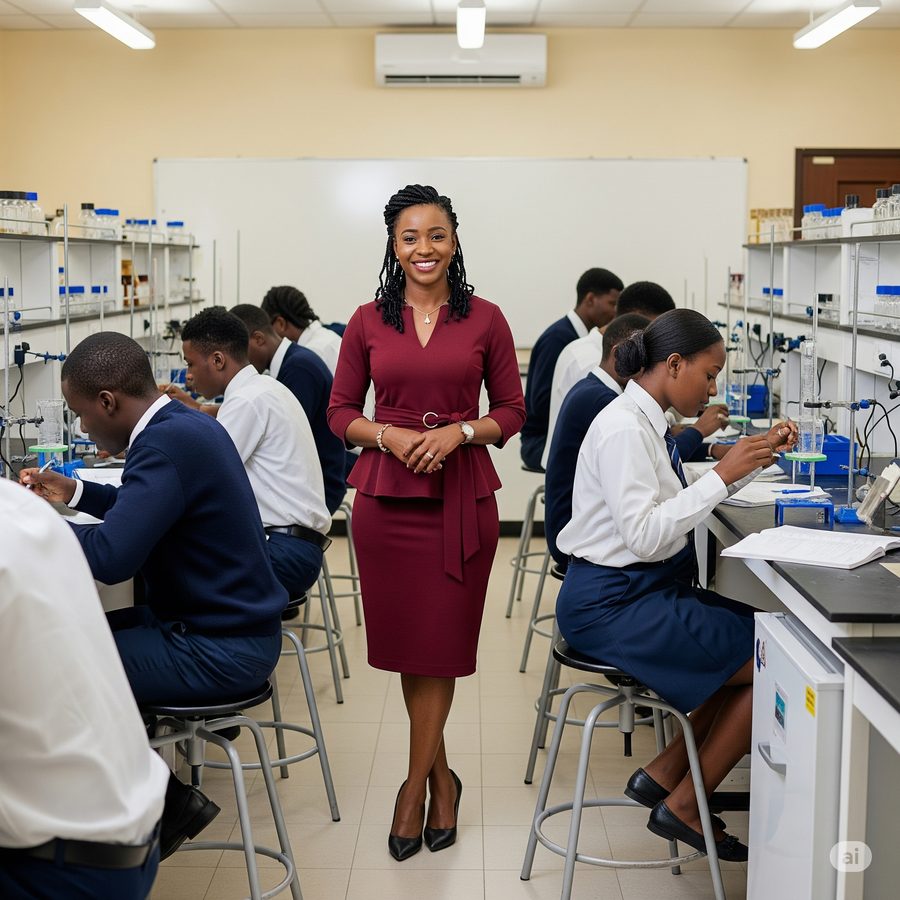
Dr. Abiola Fashola
Head of Department
Faculty of Clinical Sciences
Doctor of Biomedical Sciences and a seasoned researcher.
Related Articles
You Might Also Like:
Shaping Tomorrow's Healthcare Leaders: The Faculty of Clinical Sciences at Transatlantic University
How the Faculty of Clinical Sciences trains the next generation of physicians through hands-on clinical …